Identify cavities following

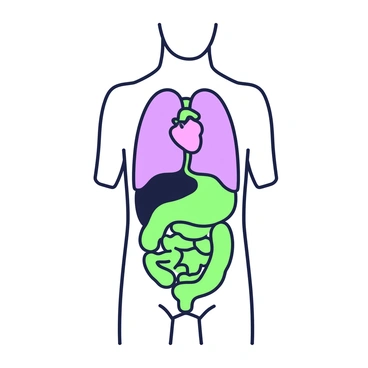
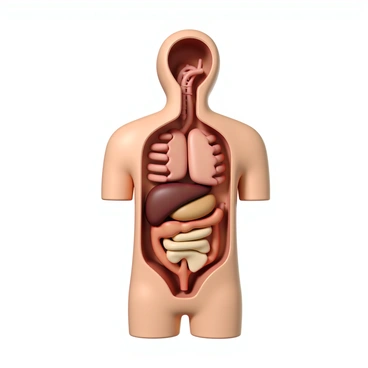
A detailed cross-section of the thoracic cavity showcasing the heart and lungs. The heart is positioned at the center, illustrating its chambers clearly, with arteries and veins extending from it. The lungs are displayed on either side of the heart, highlighting the intricate bronchial tubes and alveolar sacs. The surrounding ribcage is visible, emphasizing the protective structure of the thoracic cavity.A detailed maze illustration resembling the intricate pathways of human body cavities. The maze features winding, interconnected passages that mimic the shapes of anatomical structures such as the heart, lungs, and digestive tract. The walls of the maze are smooth and slightly translucent, hinting at the organic nature of the design. The pathways are clearly defined, with various entry and exit points, encouraging exploration. Small, subtle markings can be seen along the walls, resembling veins and arteries. The overall layout is complex yet visually engaging, inviting viewers to navigate through it.A detailed cross-sectional view of the thoracic cavity showcasing the heart and lungs. The heart is positioned centrally, displaying its four chambers: the left and right atria, along with the left and right ventricles. Surrounding the heart are major blood vessels, including the aorta and pulmonary arteries. On either side of the heart, the lungs are depicted in their full anatomical structure, with a textured surface highlighting the bronchi and alveoli. The ribcage forms the outer boundary of the thoracic cavity, illustrating the protective shell around these vital organs. The diaphragm is visible below the heart and lungs, contributing to the overall structure of the thoracic cavity.A cross-sectional illustration of the human torso displaying various internal cavities. The lungs are visible, located in the upper part of the thoracic cavity, structured with branching bronchi. Below them, the heart is prominently positioned between the lungs, with clear arteries and veins extending from it. The diaphragm is shown separating the thoracic and abdominal cavities. The stomach is represented in the upper abdominal region, with the intestines coiling around it. The liver is located in the upper right quadrant of the abdomen, detailed with its lobes. The kidneys are shown in the lower abdominal area, positioned near the spine. Each cavity is labeled with clear annotations for better understanding.A detailed skeletal diagram of a human skeleton, accurately representing bones including the skull, spine, ribs, and limbs. The diagram features highlighted areas for different body cavities, including the cranial cavity, thoracic cavity, abdominal cavity, and pelvic cavity. Each highlighted area is distinctly colored to differentiate them from the rest of the skeleton, with clear labels for each cavity. The background is plain to keep the focus on the skeletal structure and the highlighted cavities.A detailed illustration of the respiratory system within the thoracic cavity. The image features the trachea branching into the bronchi that lead to the lungs. The lungs are depicted with their lobes clearly visible, showcasing the intricate structure of alveoli. Surrounding the lungs are the ribcage and diaphragm, providing context to the thoracic cavity. The heart is positioned centrally, highlighting the relationship between the respiratory and circulatory systems. Additionally, the pleura is illustrated, forming a protective layer around each lung.A 3D icon illustrating "body cavities" as hollow spaces within human anatomy. The image features a detailed representation of the human torso, showcasing various cavities such as the cranial cavity, thoracic cavity, and abdominal cavity. Each cavity is distinctly outlined and labeled. The cranial cavity encapsulates the brain, while the thoracic cavity contains the heart and lungs, and the abdominal cavity houses the stomach and intestines. The surrounding organs are semi-transparent to emphasize the hollow nature of the cavities.An illustration of a human head showing a detailed view of the cranial cavity. The head is depicted in a side profile, allowing for a clear view of the skull. The cranial cavity is shown prominently, with intricate details highlighting the contours and structure of the bones. The brain is visible within the cavity, showcasing its lobes and intricate folds. Surrounding the cranial cavity, there are labels indicating key anatomical features, such as the frontal, parietal, and occipital bones. The overall presentation is educational, emphasizing the importance of the cranial cavity in protecting the brain.A detailed anatomical view of the pelvic cavity showcasing the reproductive organs. The image includes clear labels identifying each organ, such as the uterus, ovaries, fallopian tubes, and bladder. The pelvic bones are visible, providing context to the location of the reproductive structures. The organs are rendered in realistic colors, allowing for clear differentiation between them.An anatomical illustration of an insect showcasing its body cavities. The insect is depicted in a detailed manner, revealing the exoskeleton in shades of brown and green. The illustration highlights the thorax, abdomen, and head sections clearly. Each body cavity is labeled, including the coelom, tracheal system, and digestive tract. The internal structures are visible through transparent sections, depicting organs like the heart, malpighian tubules, and the gut. The background is a subtle gradient to enhance the visibility of the insect's anatomy.An illustration depicting the human anatomy with a clear focus on the diaphragm. The diaphragm is illustrated as a dome-shaped muscle located beneath the rib cage, separating the thoracic cavity from the abdominal cavity. Above the diaphragm, the thoracic cavity is shown with the lungs and heart, while below, the abdominal cavity contains various organs like the stomach and intestines. Clear labels are placed beside the diaphragm, thoracic cavity, and abdominal cavity, highlighting their respective names. The illustration uses soft pastel colors to differentiate the areas and organs for better understanding.A modern pastel illustration featuring a large, labeled diagram of the human body. The diagram includes various body cavities, each with a blank label for educational purposes. The major cavities such as the cranial cavity, thoracic cavity, abdominal cavity, and pelvic cavity are clearly outlined. Surrounding the diagram are colorful icons representing educational tools, such as a pencil, a notebook, and a question mark, enhancing the quiz-style theme.A detailed 3D icon of the vertebral cavity, showing the bony structure of the vertebrae surrounding the spinal cord. The spinal cord is depicted in a light color, clearly visible within the central canal of the vertebrae. The vertebral bodies are shown in a gradient of gray tones, with detailed textures to represent the surfaces. Additional elements include the intervertebral discs illustrated between the vertebrae, and the nervous roots branching out from the spinal cord, creating a comprehensive view of the vertebral cavity anatomy.A detailed illustration of the human torso is displayed, showcasing the arrangement of body cavities. The image features a transparent layer view where the thoracic cavity and abdominal cavity are clearly visible. The heart is positioned in the center of the thoracic cavity, surrounded by the lungs, which are shown on either side. Below the thoracic cavity, the diaphragm separates it from the abdominal cavity, where the stomach, intestines, and liver are depicted with accurate anatomical representation. Each cavity is outlined distinctly, allowing for a clear understanding of the spatial relationships between the organs.A 3D rendering showcasing the "spatial arrangement of body cavities". The image includes distinct representations of the cranial cavity, thoracic cavity, abdominal cavity, and pelvic cavity. Each cavity is clearly labeled with its name in a bold font. The anatomical structures surrounding the cavities are illustrated in detail, allowing for a comprehensive view of the human body. The colors used contrast each cavity to enhance visibility and understanding of their locations. Shadows and lighting effects are applied to give depth and dimension to the 3D rendering.A detailed illustration of the major human body cavities. Show the cranial cavity at the top, depicted as a rounded space containing the brain. Below it, illustrate the thoracic cavity, which houses the heart and lungs, clearly defined by rib outlines. Include the abdominal cavity beneath the thoracic cavity, showcasing organs such as the stomach, liver, and intestines. Finally, depict the pelvic cavity at the bottom, outlining the bladder and reproductive organs. Label each cavity clearly with the words "Cranial Cavity," "Thoracic Cavity," "Abdominal Cavity," and "Pelvic Cavity" in a clear, readable font.An illustration depicts the abdominal cavity, showcasing various organs arranged in a detailed manner. The diagram includes the stomach, intestines, liver, kidneys, pancreas, and gallbladder, each labeled clearly. The organs are depicted with accurate anatomical shapes and sizes, demonstrating their positions relative to one another. Surrounding the organs, there are outlines indicating the boundaries of the abdominal cavity, providing context to their placement within the human body.An illustration depicting various body cavities with marked landmarks for orientation. The image shows the thoracic cavity, highlighted prominently, with detailed depictions of the heart and lungs located within it. The abdominal cavity is also visible, showcasing the stomach, liver, and intestines. Each cavity is clearly outlined, with annotations pointing to important structures such as the diaphragm separating the thoracic and abdominal cavities. The pelvic cavity is included, indicating the bladder and reproductive organs. Accurate representations of surrounding tissues and connective structures support the orientation.A detailed 3D render of the human muscular system displayed as an overlay on the body. The muscular structure is shown in vibrant colors to highlight the different muscle groups. The overlay is positioned over transparent representations of the body cavities, including the thoracic and abdominal cavities. The muscles are accurately depicted, showcasing their connection to the skeletal system. The background is neutral to enhance visibility of the anatomical details. Labels are included for key muscle groups and body cavities, presented in a clear font.A simplified chart of the human body is displayed. The chart features an outline of the human form, emphasizing major cavities with clear labeling. The cranial cavity is shown at the top of the head, followed by the thoracic cavity in the chest area, and the abdominal cavity in the midsection. The pelvic cavity is illustrated at the lower part of the body. Each cavity is marked with distinct labels, ensuring easy identification. The outline is designed with green and purple accents to highlight the different sections effectively.An infographic displaying the functions of different body cavities. The infographic includes labeled sections for each body cavity such as "cranial cavity," "thoracic cavity," "abdominal cavity," and "pelvic cavity." Each section features illustrations representing the organs contained within, alongside brief descriptions of their functions. The color scheme is cohesive, with clear fonts and icons that enhance readability. Data points such as the volume of each cavity are also included for informative comparison.A modern pastel illustration depicting the human digestive system. The main focus is on a detailed outline of the digestive organs, including the esophagus, stomach, small intestine, and large intestine. Surrounding the digestive organs are colorful representations of the abdominal cavity and pelvic cavity. Each cavity is labeled clearly with the words "Abdominal Cavity" and "Pelvic Cavity" in bold, easy-to-read font. Additionally, digestive enzymes and nutrients are illustrated as small icons near the organs, showing their function in the process.A diagram displaying the human body with clear annotations distinguishing between the "dorsal" and "ventral" body cavities. The dorsal cavity is highlighted, showing the cranial cavity housing the brain and the spinal cavity containing the spinal cord. The ventral cavity is also highlighted, divided into the thoracic cavity containing the heart and lungs, and the abdominopelvic cavity that houses the digestive organs. Each cavity is labeled with arrows pointing to their respective locations on the body outline. A subtle grid background provides structural context to the layout.
커뮤니티에서 검색된 내용이 없습니다